


Living in a Passive House: Surprisingly Comfortable, Shockingly Efficient
Earlier this year, we had the chance to stay in a Passive House built by the talented team at ekoBUILT and we walked away with a deeper appreciation for what these homes feel like to live in. We have the technical understanding and really hit the books but nothing prepared us for what an hour or two would feel like in a home like this.
What stood out most?
It wasn’t just the performance metrics or clever design — it was the comfort. The kind of comfort you don’t really expect from a house that barely uses any energy.
Even during a stretch of brutally cold weather, with overcast skies and almost no sun, the home stayed consistently cozy. After just one sunny afternoon, it retained that warmth for days. No drafts. No furnace kicking in. Just warmth — quietly and effortlessly.
Almost doesn’t make sense. So let’s make it make sense..
A Thermos You Can Live In
At the heart of this performance is the wall assembly:
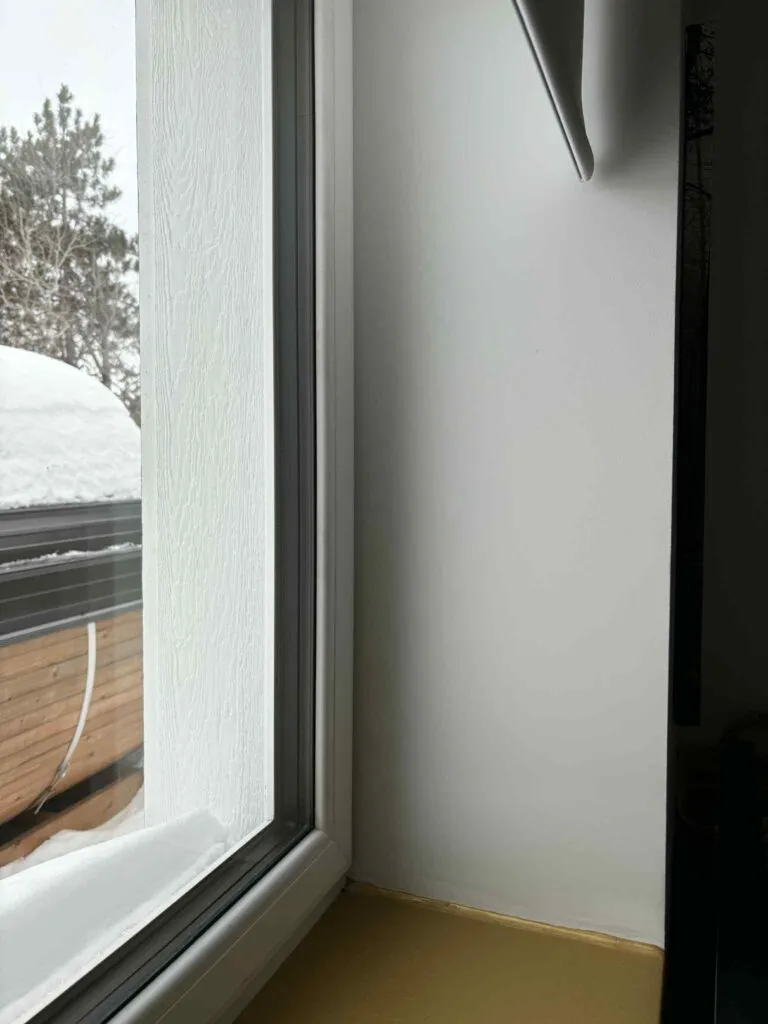
Airtight, super-insulated, and hygrothermically protected. That means the walls are vapour-open, allowing moisture to escape while keeping air leaks out — preventing mould (a common issue in conventional builds). With an R-value around R75, it far exceeds the Ontario minimum of R22.
Because of this airtight and well-insulated envelope, the house requires so little energy that its total heating and cooling costs come in under $200/year — using only a simple air-to-air source heat pump.
Look at the thickness of this wall!
Smart Systems + Passive Design
Here are a few of the key elements working together to make this home function like a high-performance thermos:
1. South-Facing Solar Gain
Large windows on the south side take advantage of the sun. Low-e coatings help trap heat, and well-designed overhangs prevent overheating in the summer.
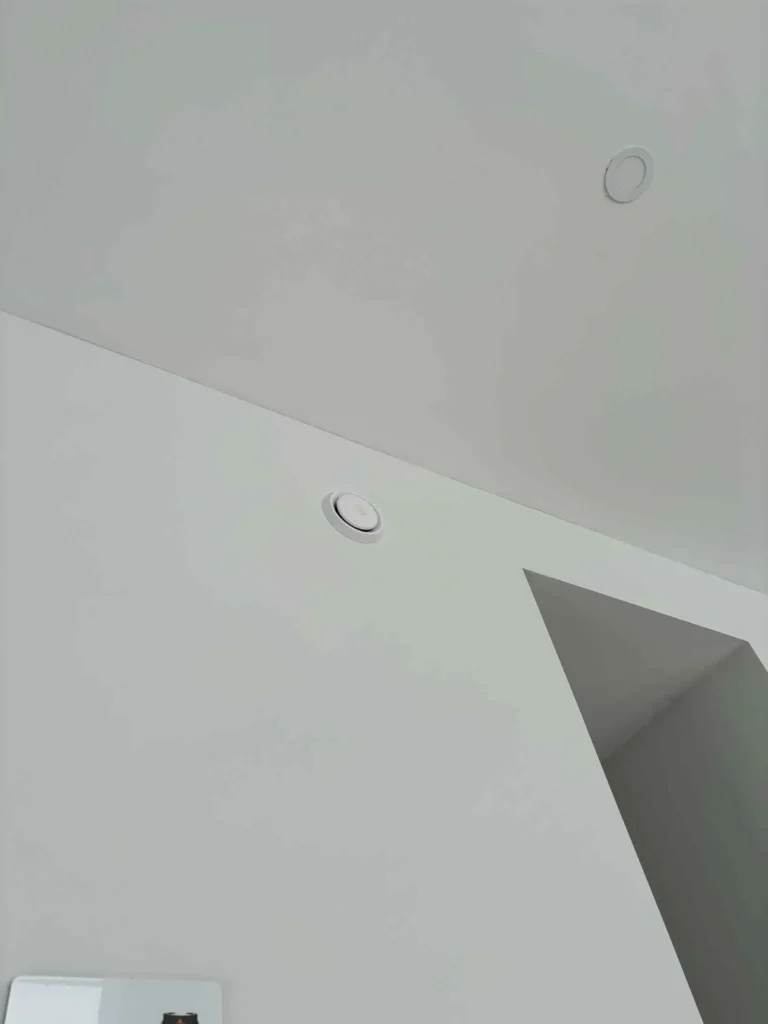
2. Energy Recovery Ventilation (ERV)
Fresh air is constantly cycled in while capturing warmth from the outgoing air. This means better indoor air quality without losing heat.
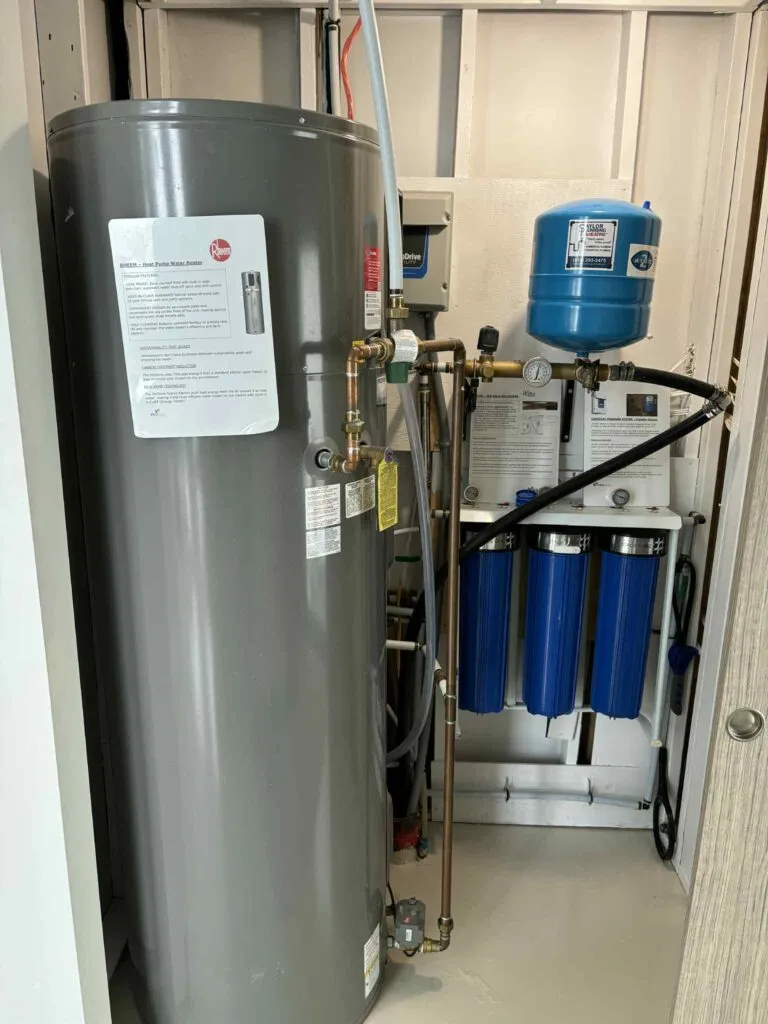
3. Heat Pump Water Heater
Instead of generating heat, it pulls warmth from the surrounding air to heat water — making it 2–3x more efficient than traditional electric or gas systems.
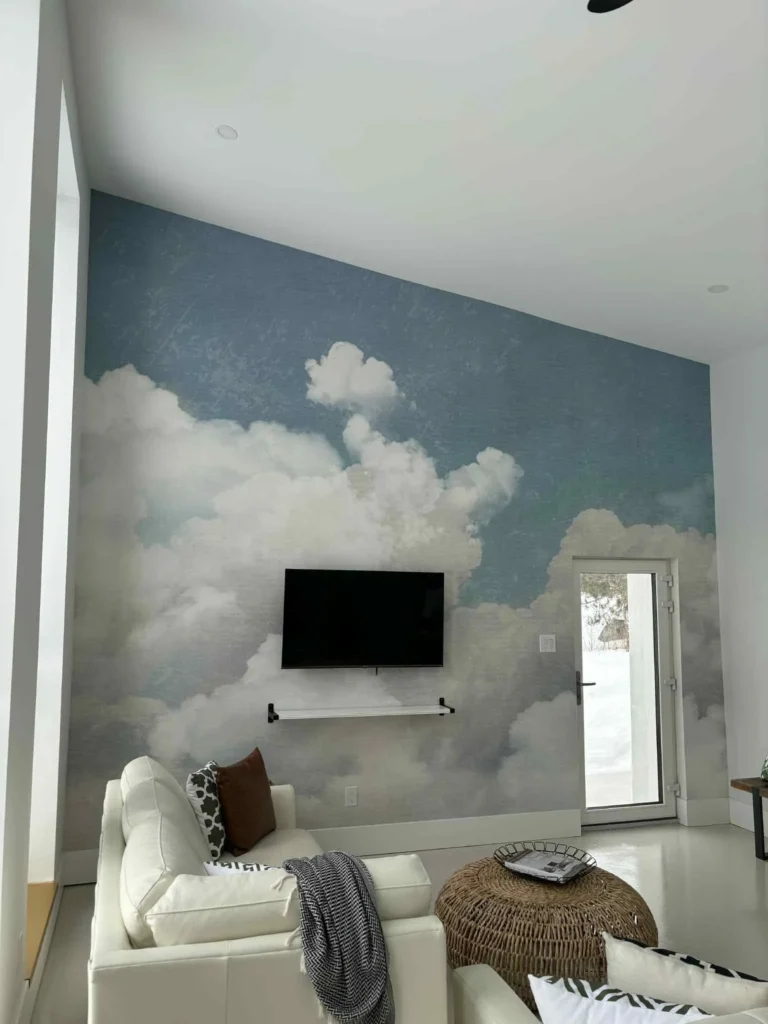
4. Balanced Interior Comfort
From the stable temperatures to the quiet environment and calm design touches, it’s not just about efficiency — it’s about how the space makes you feel.
Final Thoughts
We often focus on the performance metrics — R-values, air changes per hour, or energy bills — and while those are all impressive, what really sells Passive House is the experience of living in one.
It’s warm. Quiet. Peaceful.
And surprisingly affordable to run.
Ready to Bring Passive House Comfort to Your Project?
Whether you’re building a custom home, exploring energy upgrades, or simply curious about what’s possible, we’re here to help.
Future Vision supplies and consults on high-performance European windows and doors across North America. From airtight assemblies to solar gain strategies, we work with builders and architects to make Passive House a reality — without compromise.
📩 Reach out anytime: [email protected]
🔍 See more of our work: @futurevision_toronto
We’re genuinely passionate about projects like this.
It’s not just what we do, it’s what we love. If you’re planning something high-performance, reach out. We’d love to be part of it.