


Behind the Glass: Case Study of a High-Performance Home in Ontario
As the building performance bar rises across Ontario, one project stood out as a benchmark for what high-performance fenestration can deliver. In this case study, we’re pulling back the curtain on a recently completed custom home that integrates Schüco aluminum windows as part of a broader Passive House-inspired strategy.
For architects, builders, and consultants working at the cutting edge of design and energy performance, this project highlights what’s possible when windows and doors are treated not as an afterthought—but as critical building envelope components.
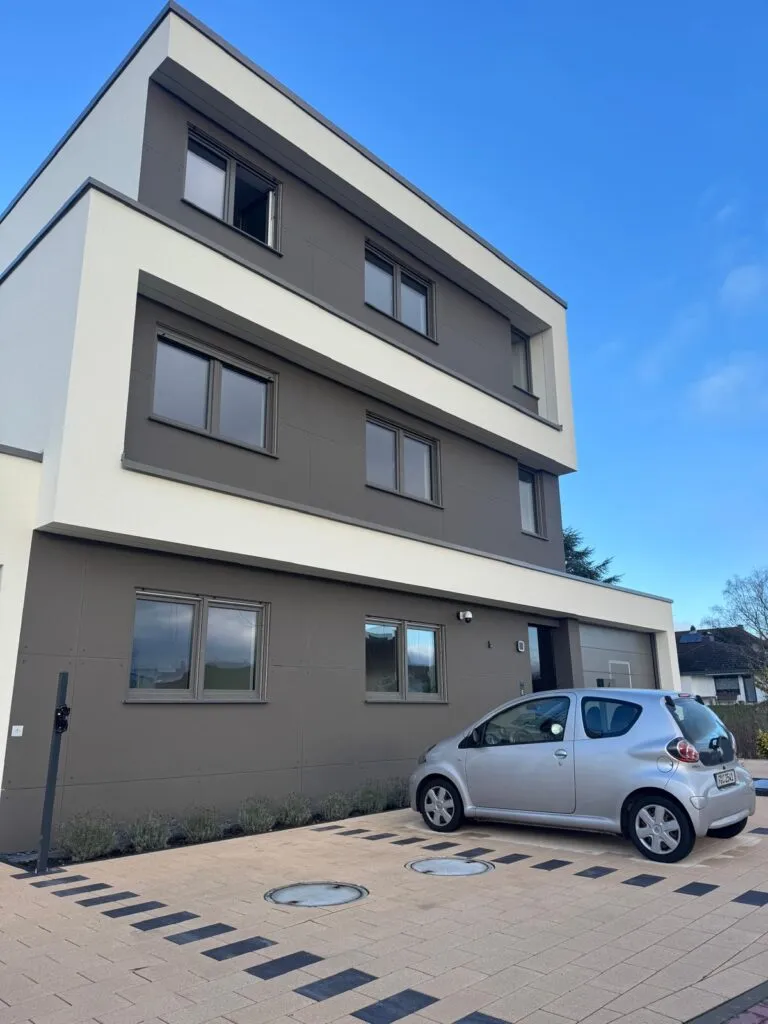
The Project at a Glance
Performance Goals: Air-tightness, thermal comfort, solar gain control, and durability
Location: Southern Ontario
Size: 4,200 sq ft single-family residence
Architect: Confidential Passive House design studio
Builder: High-performance custom home builder
Window System: Schüco AWS 75.SI+ and ADS 75 doors
Design Priorities: Thermal Performance Meets Aesthetic Intent
One of the biggest challenges in high-performance residential design is balancing technical requirements with the homeowner’s desire for openness, natural light, and modern aesthetics.
In this project, the design team specified large fixed windows, tilt-turn operables, and lift-slide doors—all integrated with the building envelope using thermally broken, insulated connection details. Every unit was selected and positioned to optimize solar heat gain in winter, and limit overheating in summer through shading and low-e coatings.
“We knew early on that conventional vinyl windows weren’t going to cut it—not from a performance standpoint, and not aesthetically. Schüco gave us the look, durability, and technical flexibility we needed.”
– Project Architect
Installation & Detailing: Where Performance is Won (or Lost)
Working closely with the builder and consultant, our team supported the execution of airtight installation strategies, including:
- Pre-applied window membranes for airtight connection to the WRB
- Thermal buck extensions for continuous insulation
- Window buck-insulation alignment to minimize thermal bridging
Every window and door was delivered with detailed shop drawings and thermal performance data. The result? Installation was clean, efficient, and aligned with the project’s air leakage targets.
Results That Speak for Themselves
The home achieved a final blower door test result well under 1.0 ACH50—significantly tighter than Ontario Building Code minimums. More importantly, homeowners reported no drafts, no condensation, and consistent comfort in both winter and summer.
For the builder, the process was streamlined. For the architect, the vision was preserved. And for the future of high-performance housing in Ontario, this project offers a replicable path forward.
Looking Ahead
At Future Vision Windows & Doors, we believe projects like this aren’t the exception—they’re the future. If you’re looking to raise the bar on your next custom build or development, we’re ready to help.
Let’s talk about your next project—and how better windows can make all the difference.
📞 Contact us: [email protected]